Addendum: This story has been edited for privacy.
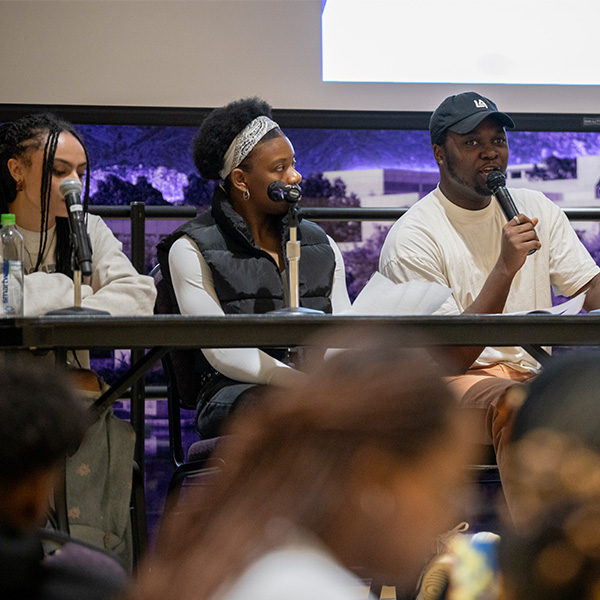
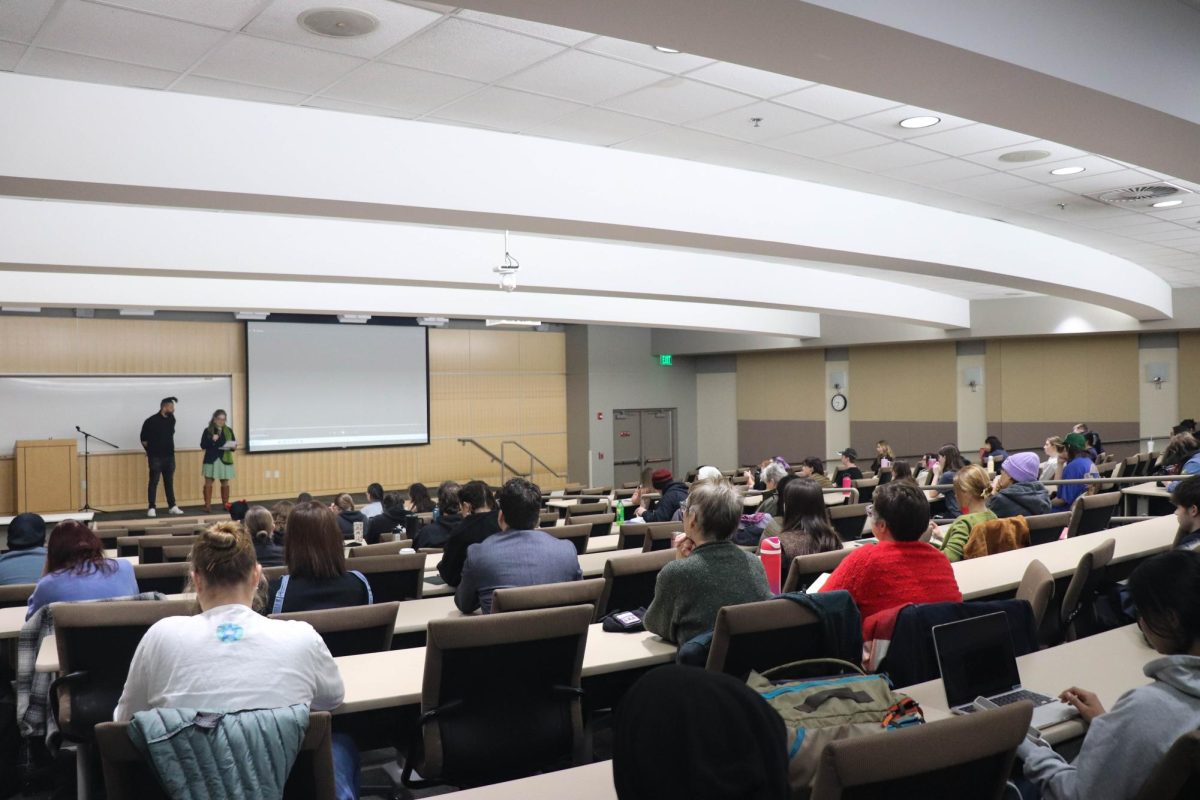
A discussion held in the Diversity Center on Jan. 25 consisted of a panel of speakers and two Weber State University students. The panel sought to address the stigma behind mental illnesses within the community and WSU.
Angie McLean, a Disability Services specialist for over thirteen years, who was on the panel, shared that there are countless stereotypes that contribute to stigma and fear.
“Because of the stereotypes, individuals with mental illness often avoid reaching out for help and engaging in the conversations with their support systems and professional resources that would otherwise help them cope with the challenges they face,” said McLean.
McLean explained that it sounds easy to go talk to someone and get help, but that is also a limitation for students.
“Students with mental illness do better in school and in life when they are not isolated or defined by their diagnoses,” said McLean.
McLean explained the importance of making a distinction between someone who has a diagnosed mental illness from someone who is stressed and in using clinical terms to express a stressful situation and avoiding stigmatizing those terms that have a clinical diagnosis.
“It’s a part of our society, and many people struggle with poverty, unemployment, lack of healthcare, housing issues and many other things as a result of public policy and ideology based on stereotypes,” said McLean.
An anonymous source from the Counseling and Psychological Services Center discussed the importance of not labeling a person as having a mental illness, “We let the individual own what they want to label the issue. We let them define themselves,” they said.
The anonymous source continued, saying that informing the community about mental illnesses will offer a sense of understanding, compassion and education. It will let people know how common it is within WSU, as well as educate the student body on how to approach an individual who is struggling, they said.
According to the anonymous source, “There is a stigma with going to the counseling center because students feel alone or ‘crazy.’ It is even more difficult being a college student because everyone expects you to have your shit together.”
There are a variety of support groups that the counseling center provides instead of individual sessions. There are ADHD, interpersonal functioning, guided meditation, Feel Better Fast, and a LGBTQ support groups that are available to students.
According to the Counseling and Psychological Services Center website, students are limited to 12 free individual sessions in an academic year. The website also states that students may incorporate group therapy sessions, which do not count towards the 12 free sessions.
An anonymous source emphasized the importance of participating in self care, saying, “You can’t give to someone else, and you can’t succeed if you are feeling drained: You can’t pour from an empty cup. Some students just need permission to do things for themselves.”