
With the holiday season coming up, thrift stores like Savers can be a great place to go to find affordable gifts for yourself or others.
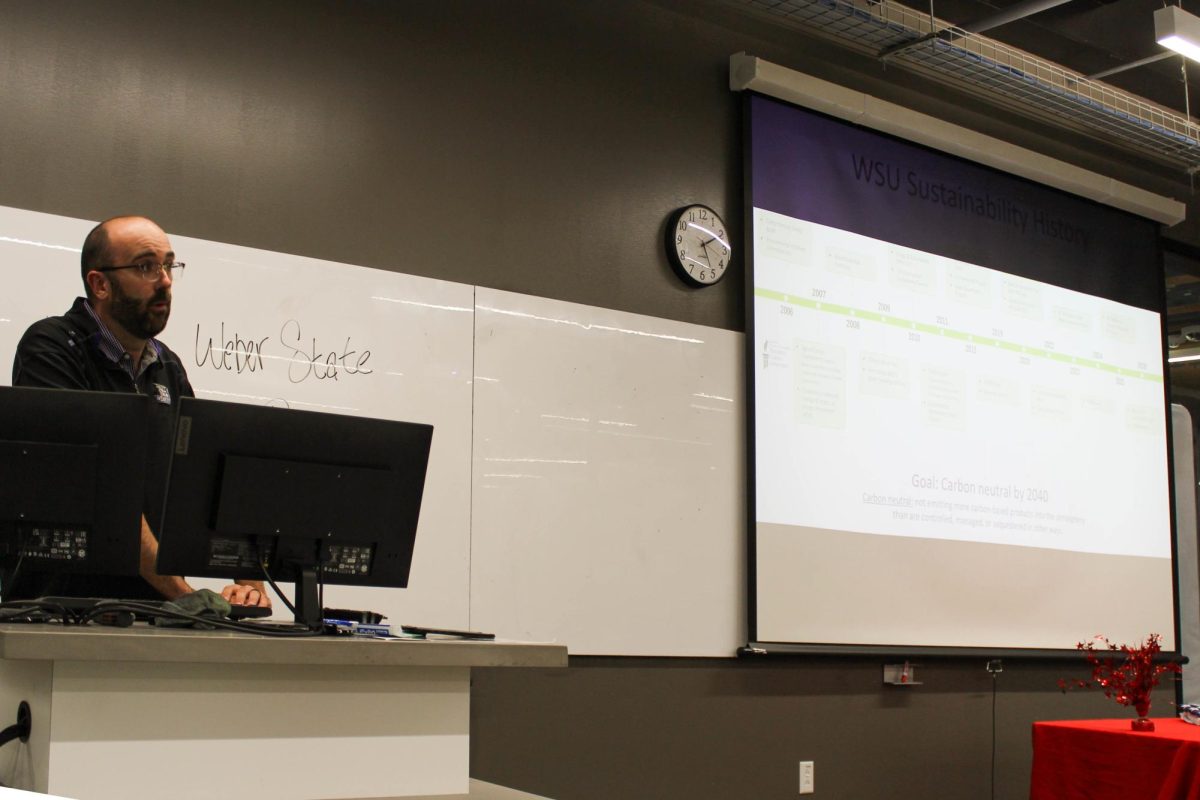
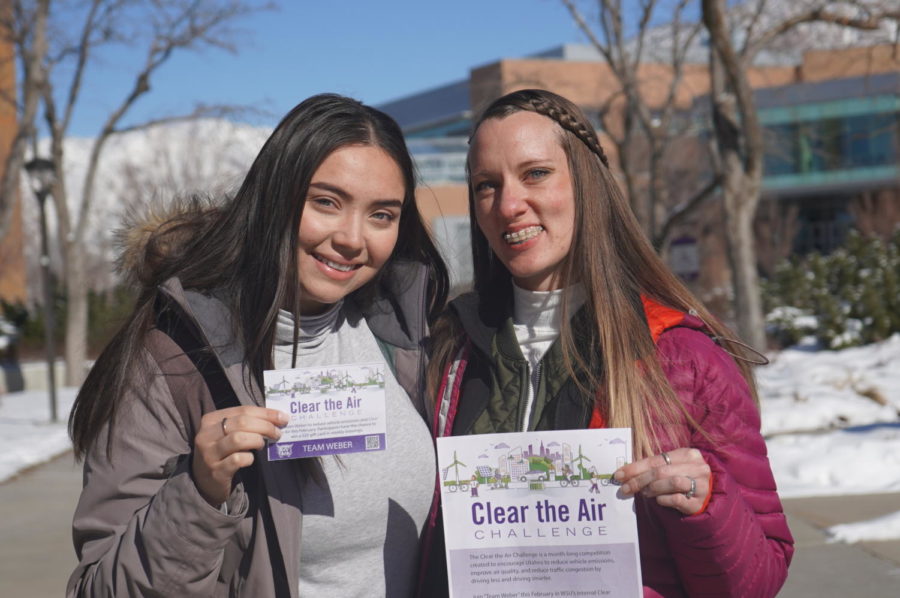
“Things are so expensive now, and not everyone can afford to go to the mall to find a new shirt anytime they need a new outfit, so I think thrifting is definitely more accessible for everyone,” said Anika Draper, sustainability outreach coordinator at Weber State University.
Savers reports claim that secondhand clothing is more valuable than new clothing.
“Thrift offers shoppers a way to elevate their style without breaking the bank,” the report stated. “Two of three thrift shoppers agree that secondhand clothing has a better value than new clothing.”
Accessibility is only one part of the story; Draper says that thrifting can directly relate to sustainability by reducing the demand for new clothing and extending the life of existing items.
“Supporting thrifting is so important, because it helps get away from that fast fashion demand. It’s about trying to get people on board with moving away from very cheaply processed and harmfully processed clothes by taking what we already have,” Draper said.
Fast fashion has become a growing environmental concern. “Clothes have become one of the largest polluters of our planet, and just mass production in general is becoming such a big problem,” Draper said. “We start filling up all the landfills, and then all of our landfills are full. What are we going to do if we can’t make more landfills?”
This is where thrift stores like Savers can make an impact. Savers website reports that, “Thrifting — driven by a desire for affordable, eco-friendly, and stylish options — keeps secondhand goods in use within the circular economy, minimizing waste and maximizing resource efficiency.”
Savers sustainability report highlights that 95% of all donated clothing has the ability to be repurposed in another manner. The use of water for clothing production could be considered in some capacity as it takes 700 gallons of water to produce a cotton T-shirt, but when it comes to thrifting it doesn’t take an ounce. Carbon emission as well when it comes to thrifting is heavily reduced to zero.
Draper believes that thrifting can cause creativity and confidence in people’s wardrobe. “Finding a good thrift find can be a treasure … It’s very unique … Which is very desirable,” Draper said. “People who thrift have this different air of confidence, especially when they’re wearing an outfit out, and maybe they’re trying something new … They just have this air of confidence about them.”
For Draper, thrifting can encourage people to be open-minded and stay aware of their impact on the planet. “I just hope to inspire other people to break out of that societal norm of just buying things all the time and trying to reuse what we already have.”
Savers motivates participation through small incentives. “They hand out 20% off coupons when you donate,” Draper said. “I think that’s also a really big incentive for people to not only donate things, but then to come back and shop.”
On campus, the Environmental Ambassadors Club does Thrifted Thursdays, where they show their Wildcat pride by shopping and styling secondhand. Every Thursday from 10 a.m. to 11 a.m. by the clocktower, they create opportunities for students to showcase their secondhand swag.
In Ogden and on Weber campus, thrifting is no longer just a trend, but part of a broader cultural shift toward sustainability, individuality and smarter consumption. As Draper puts it, it’s about supporting a future where we “take from what we already have and keep things out of the landfills” one thrifted fit at a time.